by: Ibrahim Babangida
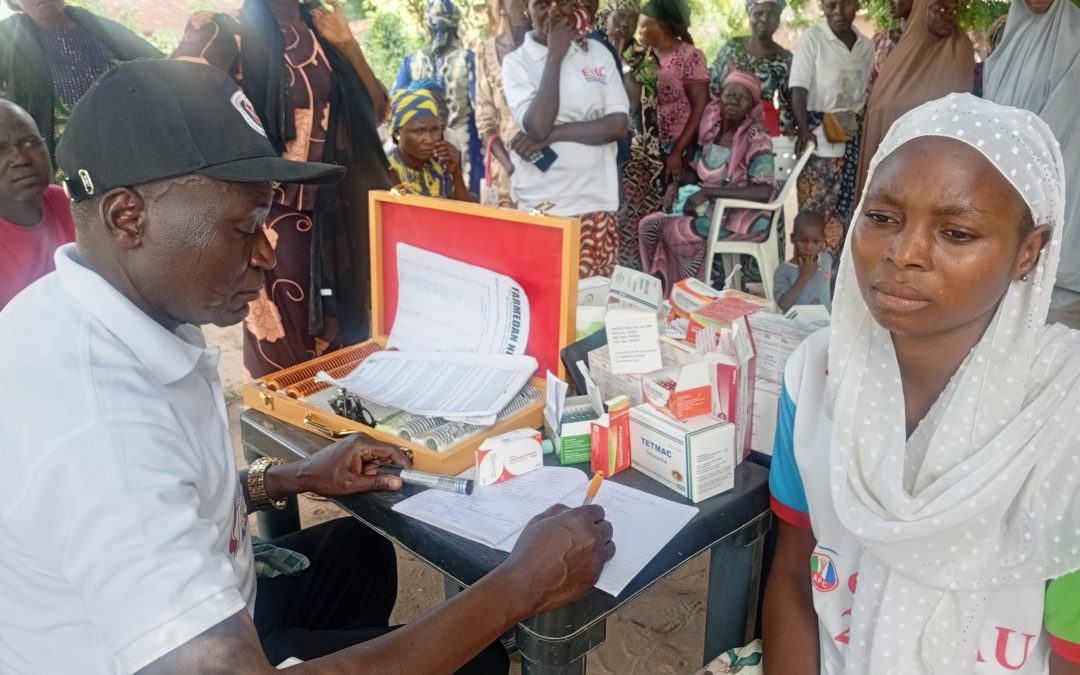
Thousands of residents from Filiya, Yapandi and surrounding communities have turned out to receive free medical care, medications and other essential health services as the United Methodist Church Nigeria (UMCN), through its Rural Health Programme, takes healthcare closer to underserved communities in the Northern Nigeria Annual Conference.
The two-day medical outreach, supported by the General Board of Global Ministries (GBGM), was held at two UMCN clinics in the conference, with the Episcopal Medical Team providing services at Yapandi on September 23 and Filiya on September 24, 2026.
The intervention is part of the Rural Health Programme’s wider effort to provide accessible healthcare to communities where many residents face challenges accessing affordable and timely medical services.
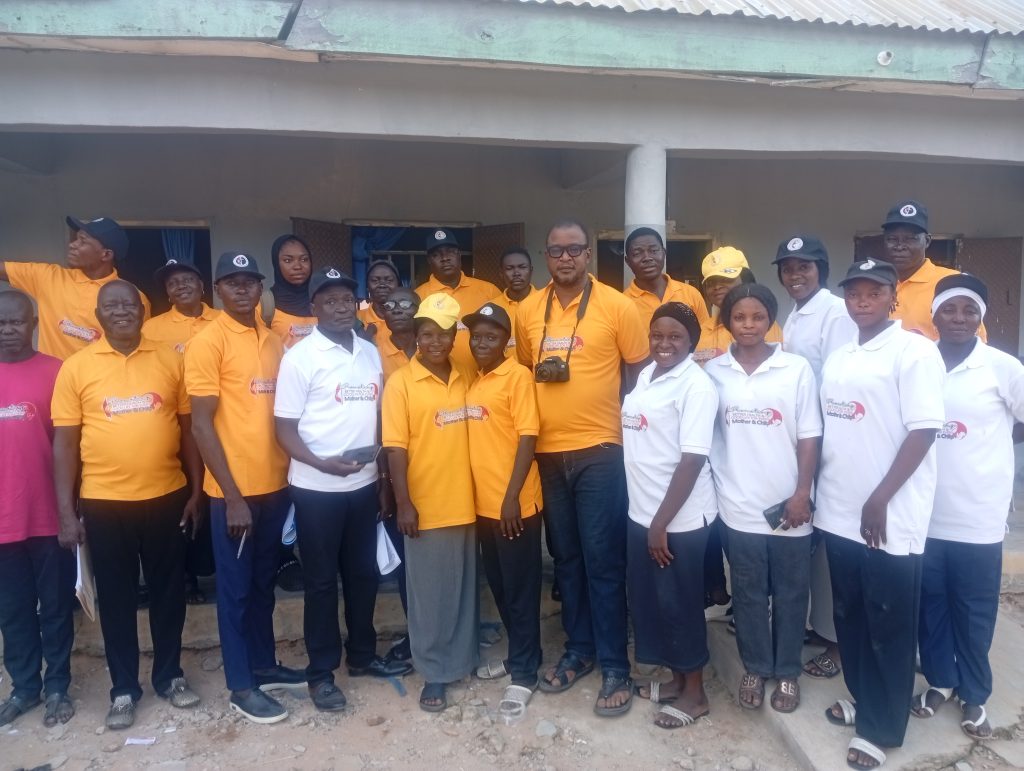
Nigeria Episcopal Medical Team
photo by Ibrahim Babangida
Residents who came to the clinics received free medical consultations, treatment and medications, alongside maternal and newborn care, HIV and hepatitis screening, nutritional services, eye care, malaria prevention and treatment, and clean water and WASH services.
The medical team also distributed mosquito nets and eyeglasses, while patients requiring further treatment beyond the services covered by the programme were referred to nearby hospitals for appropriate medical attention.
The large turnout at the two clinics reflected the level of demand for healthcare services in the communities, with residents travelling from neighbouring settlements to benefit from the intervention.
For many beneficiaries, the outreach was more than an opportunity to receive free medicine. It provided a chance to access professional medical attention without the financial burden that often prevents people in rural communities from seeking care.
Ruth Zakariya, one of the beneficiaries, expressed appreciation to the United Methodist Church for bringing the programme to the community.
“We thank God and the United Methodist Church for this effort. We are very happy today because the church has brought free medical services to our community. We received medical attention and medicines without paying anything. We are grateful for this kind of programme because it is helping many people who may not have the money to go to the hospital.”
Another beneficiary, Dijeh Ilu Farinkasa, said she was particularly impressed by the attention and attitude of the medical team.
“We have received medication and medical services for free. The doctors are friendly and they gave us good attention. I am very satisfied with the kind of medical care I received today at no cost. I pray that God will continue to bless the United Methodist Church for bringing this kind of initiative to rural communities.”
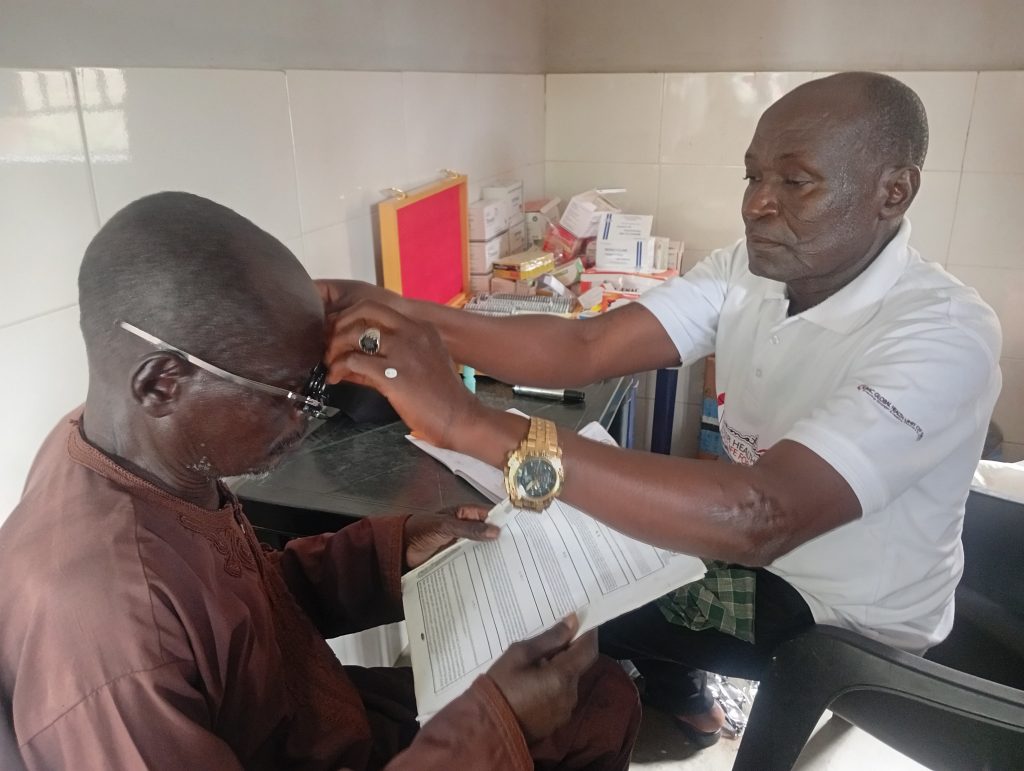
Photo by Ibrahim BabangidaThe outreach also provided services to people regardless of their religion, tribe or language, with beneficiaries receiving equal attention from the medical team. The inclusive nature of the programme was widely appreciated by community members, who described the intervention as another example of the church’s commitment to humanitarian service under the leadership of Bishop Ande I. Emmanuel, Resident Bishop of the Nigeria Episcopal Area and Mission Districts of Cameroon and Senegal.
For Hassan Abbas, a beneficiary, the intervention was another reminder of the long-standing humanitarian presence of the United Methodist Church in the community.
“This church has done a lot in our communities. For more than 20 years, we have been witnessing and benefiting from the humanitarian efforts of the United Methodist Church. I am a Muslim, but this is not my first time receiving free health services organized by the United Methodist Church.”
Abbas said the church’s humanitarian work had influenced how he viewed the institution.
“I no longer see UMC as a church only. I see it as a humanitarian church because of the services it continues to provide to people in our communities. They attend to everyone, regardless of where you come from or the religion you practice.”
The beneficiaries’ appreciation also extended to the leadership of Bishop Ande I. Emmanuel, whose leadership of the Nigeria Episcopal Area has continued to emphasize programmes that respond to the practical needs of communities, including healthcare and other humanitarian interventions.
Speaking during the outreach, Dr. Mark Tukur, Rural Programme Officer, said the turnout at Filiya and Yapandi demonstrated the importance of taking healthcare directly to rural communities.
“The turnout has been very encouraging. We have seen people coming from Filiya, Yapandi and the surrounding communities for consultation, treatment and medication. This shows us that there is a real need for these services in our rural communities.”
Tukur explained that the broader programme is targeting 12,000 people across the Northern, Central, Northeast and Southern Conferences of the Nigeria Episcopal Area.
According to him, the programme is designed not only to provide immediate treatment but also to identify health conditions that may require further medical attention.
He said more than 2,600 people had received medication through the programme, while the medical assessments had also revealed several health concerns requiring continued attention.
Tukur noted that about 30 percent of those assessed had eye-related challenges, highlighting the need for increased awareness, early screening and timely referral for appropriate treatment.
The medical team also recorded a significant number of malaria cases, particularly among children, according to Tukur.
“We have recorded a number of health challenges during the programme. More than 2,600 people have received medication, and about 30 percent of those assessed have presented with eye-related challenges. We also discovered many cases of malaria, particularly among children. This is why continued sensitization is very important. People need to understand the importance of seeking medical attention early before these conditions become more serious.”
He emphasized that the purpose of the intervention goes beyond treating immediate health conditions, stressing the importance of early detection, prevention, health education and proper referral.
Dr. Mark Tukur also expressed appreciation to the Global Health Unit for its continued support through the Funding Suspension Grant (FSG), which he said was instrumental to the success of the intervention. He also appreciated the leadership of His Lordship, Bishop Ande I. Emmanuel, for his continued support, and commended the Health Board staff and medical team for their dedication and commitment to making the outreach successful.
The medical outreach reflects the United Methodist Church Nigeria’s broader commitment to serving communities through practical humanitarian interventions. Through the support of GBGM and the work of the Rural Health Programme, the church continues to bring healthcare services to communities where access to medical care remains a challenge.
For residents of Filiya, Yapandi and neighbouring communities, the outreach has provided not only free medical services and medications but also an important reminder that rural communities can be reached with quality healthcare and compassionate service.
The programme has also provided an opportunity to identify health challenges early, provide immediate treatment and connect patients requiring additional care to appropriate health facilities.
As the Rural Health Programme continues its intervention across the Nigeria Episcopal Area, the experience in Filiya and Yapandi highlights the importance of sustained investment in rural healthcare, community sensitization and early medical intervention.
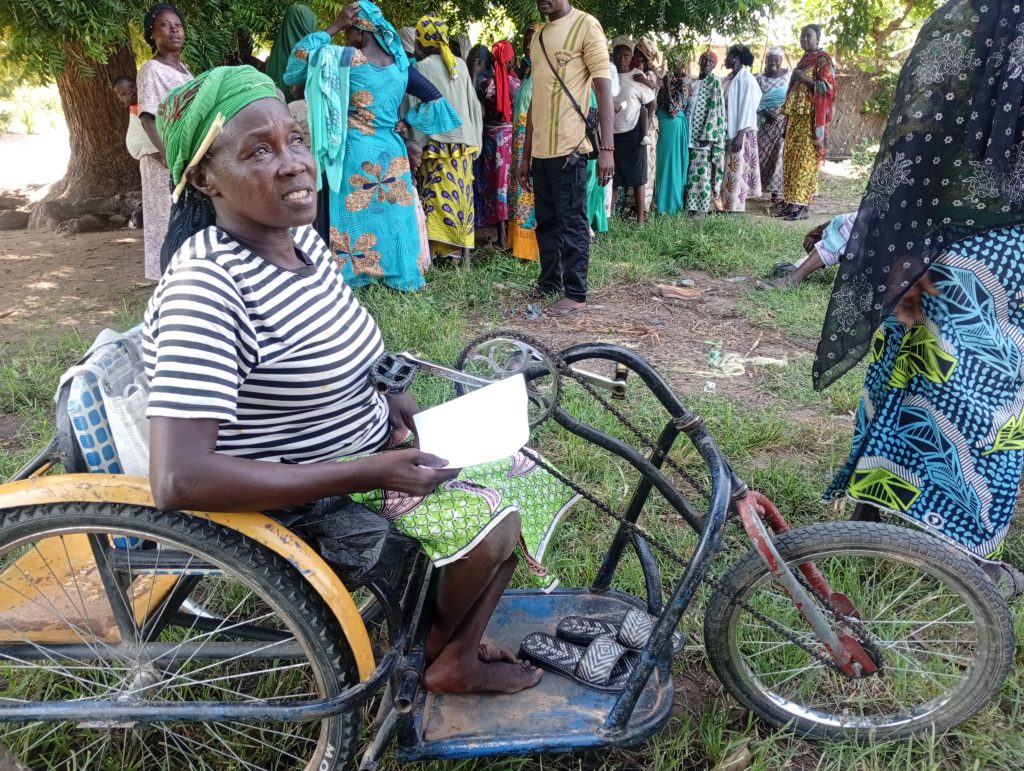
For the thousands who came through the doors of the UMCN clinics, the outreach was a practical expression of the church’s commitment to serving people beyond the walls of its congregations, bringing healthcare closer to communities and extending compassion to everyone in need, regardless of religion, tribe or background.
The outreach therefore stands as a clear reminder that the mission of the church extends beyond the pulpit. By bringing free healthcare, medication, prevention and health education directly to rural communities, the United Methodist Church Nigeria is translating its commitment to service into practical action and touching lives where the need is greatest.